
This article explores the differences between popular vacation rental platforms like Airbnb and Booking.com. We will look at various factors such as how easy it is to list a property, how often bookings occur, payment methods, types of accommodations available, and more. By the end, you should have a clearer idea of which platform might be the best fit for your rental business.
Key Takeaways
- Airbnb is easier for beginners to list properties compared to Booking.com.
- Booking.com has a larger audience and generally more bookings than Airbnb.
- Airbnb offers a centralized payment system, making transactions simpler for hosts.
- Booking.com is more focused on hotels, while Airbnb features a wider range of accommodations.
- Expedia and Vrbo are strong alternatives to consider alongside Airbnb and Booking.com.
Ease of Listing a Property
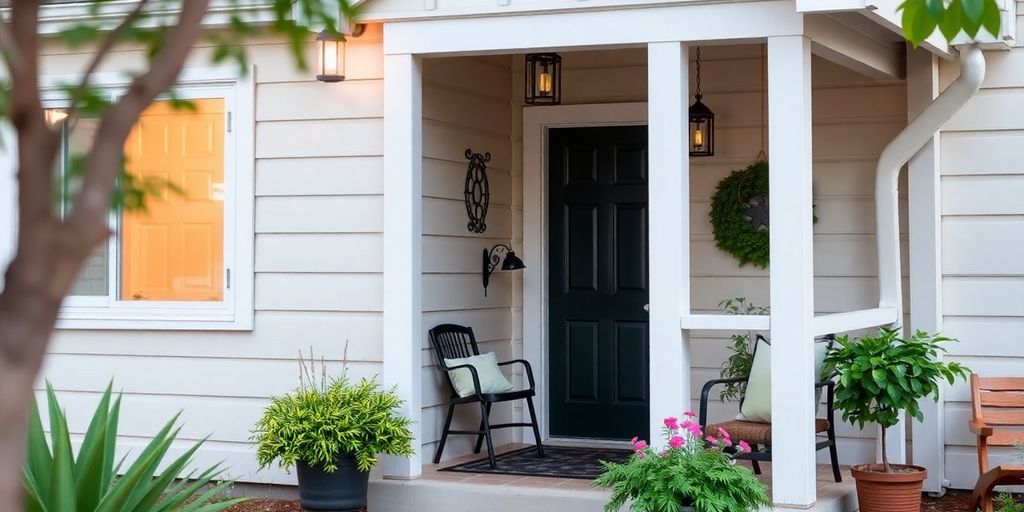
Airbnb’s User-Friendly Interface
Listing a property on Airbnb is quite simple. The platform is designed to help hosts easily register their properties. To get started, you need to:
- Log in to the sign-up page.
- Click on your account, then select add new property.
- Choose your property type and click list your property.
- Follow the steps to complete your listing.
This straightforward process makes it easy for anyone to start hosting.
Challenges with Booking.com
On the other hand, Booking.com can be more complicated. While it is a popular platform, many hosts find it challenging to list their properties. Here are some common issues:
- Complex listing process: You need to set up a payment processor and choose a cancellation policy.
- Room listings: If you have multiple rooms, they may be listed separately, which can be confusing.
- Less user-friendly: New users often feel overwhelmed by the options and requirements.
Other Platforms to Consider
Besides Airbnb and Booking.com, there are other platforms worth exploring:
- Vrbo: Focuses on vacation homes and is great for families.
- HomeAway: Similar to Vrbo, it offers a variety of rental options.
- FlipKey: A TripAdvisor company that provides unique listings.
In summary, choosing the right platform depends on your property type and your comfort level with the listing process. Each platform has its pros and cons, so consider what works best for you.
Booking Frequency and Traffic

Airbnb’s Reach
Airbnb has a strong presence in the vacation rental market, especially in the U.S. Over half of its bookings come from repeat customers. This shows that many travelers prefer the unique experiences Airbnb offers.
Booking.com’s Marketing Strategies
Booking.com has a different approach. It focuses on retargeting and cross-marketing, which helps it attract more bookings. In fact, during the q2 2024 earnings call, it was noted that 53% of total room nights were booked through its mobile apps, a 6% increase from last year. This trend indicates a growing customer appetite for travel.
Comparing Other Platforms
While Airbnb and Booking.com dominate the market, other platforms are also gaining traction. Here are some key points to consider:
- Vrbo focuses on family-friendly vacation rentals.
- Expedia offers a wide range of travel services, including flights and car rentals.
- Tripadvisor provides user reviews, which can influence booking decisions.
The competition in the vacation rental market is fierce, and understanding each platform’s strengths can help hosts make informed decisions about where to list their properties.
Payment Systems and Policies
Airbnb’s Centralized Payment System
Airbnb uses a centralized payment system that makes it easy for hosts to receive their money. When a guest books a stay, Airbnb collects the payment and sends it to the host 24 hours after check-in. Hosts can choose how they want to receive their payments, such as through bank transfers or PayPal. However, the time it takes to receive the money can vary based on the chosen method.
Booking.com’s Payment Flexibility
Booking.com offers more flexibility in payment options. Hosts can choose from different policies:
- Fully Flexible Policy: Guests pay only when they stay and can cancel for free within a set time.
- Customized Policy: Hosts decide how long guests can cancel for free and what fees apply after that.
- Non-Refundable Policy: Guests pay the full amount upfront, even if they cancel.
Additionally, Booking.com allows hosts to collect payments directly from guests, which can be done through credit cards or bank transfers. This means that hosts need to manage their own payment collection, which can be a bit tricky.
Security and Trust Issues
When it comes to security, both platforms have their own challenges. Here are some points to consider:
- Airbnb: Payments are handled automatically, reducing the risk of fraud.
- Booking.com: Hosts must ensure they collect payments securely, which can lead to issues if not managed properly.
- Deposit Options: Both platforms allow hosts to charge deposits to protect against cancellations.
Choosing the right payment system is crucial for hosts to ensure they receive their earnings smoothly and securely.
In summary, while Airbnb simplifies the payment process, Booking.com offers more options but requires hosts to be more hands-on with payment collection.
Types of Accommodations Offered
Airbnb’s Diverse Options
Airbnb is known for its variety of unique stays. Guests can find:
- Traditional options like apartments and houses
- Unusual places such as castles, treehouses, and windmills
- Shared rentals, allowing guests to save money by sharing spaces with others
Booking.com’s Hotel Focus
Booking.com started with hotels but now offers a wide range of accommodations, including:
- Hotels and motels
- Hostels and resorts
- Vacation homes and tiny houses
While they have many options, they don’t feature as many unique stays as Airbnb. Most listings provide the entire place for guests, with fewer shared options available.
Vrbo and Other Alternatives
Other platforms like Vrbo focus on vacation rentals, offering:
- Family-friendly homes
- Beachfront properties
- Cabins in the woods
These alternatives cater to different types of travelers, making it easier to find the perfect place to stay.
In summary, while Airbnb offers a wide range of unique accommodations, Booking.com focuses more on traditional lodging options. Each platform has its strengths, catering to different traveler needs.
Market Presence and Audience
Airbnb in the U.S.
Airbnb has a strong presence in the United States, capturing about 61% of the market share among travelers. This platform is particularly popular among younger users, especially millennials, who seek unique experiences during their stays. With over 7.7 million active listings, Airbnb offers a wide variety of accommodations, from shared homes to entire properties.
Booking.com in Europe
In contrast, Booking.com is more dominant in Europe, where it holds a significant share of the market. Approximately 36% of travelers in Europe prefer Booking.com for their lodging needs. This platform is known for its extensive hotel listings and traditional vacation rentals, appealing to those who want a more conventional travel experience.
Expedia’s Broad Reach
Expedia also plays a crucial role in the travel market, providing a broad range of options for travelers. It attracts a diverse audience looking for package deals that include flights, hotels, and car rentals. This platform is particularly popular among families and those seeking convenience in their travel arrangements.
| Platform | U.S. Market Share | European Market Share |
|---|---|---|
| Airbnb | 61% | 47% |
| Booking.com | 10% | 36% |
| Expedia | N/A | N/A |
- Airbnb attracts younger travelers seeking unique experiences.
- Booking.com appeals to those looking for traditional accommodations.
- Expedia offers package deals for convenience.
Understanding the market presence of these platforms helps hosts choose the right one for their properties. Each platform attracts different types of guests, influencing the overall experience and expectations during their stay.
Features and Tools for Hosts
Property Management Software
Managing a rental property can be easier with the right tools. Property management software helps hosts keep everything organized. Here are some key features:
- Reservation System: Track bookings easily.
- Unified Inbox: Communicate with guests in one place.
- Guest Management: Keep guest details organized.
- Task Management: Assign tasks to team members.
- Automation: Set up automatic messages and reminders.
- Reporting and Analytics: Get insights on your property’s performance.
Channel Managers and Integrations
Using a channel manager can help you list your property on multiple platforms without extra work. Here’s what to look for:
- Airbnb Integration: Sync your listings.
- Vrbo Integration: Manage bookings from different sites.
- Expedia Integration: Reach more travelers.
- Google Vacation Rentals: Increase visibility.
Additional Resources and Support
Having access to resources can make a big difference. Here are some helpful tools:
- Website Builder: Create your own site easily.
- Booking Widget: Add booking options to your website.
- Mobile App: Manage your property on the go.
Managing a rental property can be challenging, but with the right tools, you can make it easier and more efficient. In this blog, we’ll explore the strategies that will help you not just be present on Airbnb, Booking.com, and Vrbo, but thrive on them.
Pricing and Fees

Airbnb’s Fee Structure
Airbnb offers two main fee options for hosts: the split fee option and the host-only option. In the split fee option, the host pays about 3% of the subtotal, while guests can pay up to 14.2% in fees. This fee is shown at checkout, so guests know what to expect. On the other hand, the host-only option means the host pays a fee of 14%-16% of the subtotal. This option is mandatory for traditional accommodations like hotels.
Booking.com’s Pricing
Booking.com operates on a commission-based model, charging hosts an average of 15% per booking. Unlike Airbnb, Booking.com does not charge guests any fees. Instead, hosts receive an invoice at the start of each month for the total commission owed from the previous month. This means hosts don’t have to worry about deductions from their earnings after each booking.
Cost Comparison with Other Platforms
When comparing Airbnb and Booking.com, the fees can be quite similar. Here’s a quick breakdown:
| Platform | Host Fee (%) | Guest Fee (%) |
|---|---|---|
| Airbnb (Split) | 3 | Up to 14.2 |
| Airbnb (Host-Only) | 14-16 | 0 |
| Booking.com | 15 | 0 |
In conclusion, the choice of platform can significantly impact your earnings as a host. Understanding these fees is crucial for maximizing your profits.
Marketing and Visibility
Airbnb’s Brand Recognition
Airbnb has become a household name, largely due to its unique marketing strategies. The company focuses on creating a strong emotional connection with travelers, promoting the idea of local experiences. This approach has helped Airbnb build a loyal customer base that often prefers it over other options.
Booking.com’s Advertising Efforts
Booking.com employs aggressive marketing tactics to ensure high visibility. They utilize retargeting ads and email reminders to keep their properties in front of potential guests. This strategy has proven effective, as many users return to the site for their next booking.
Strategies for Other Platforms
Other platforms also have their own marketing strategies:
- Social Media Engagement: Many platforms use social media to connect with users and promote listings.
- Partnerships: Collaborating with travel influencers can enhance visibility.
- SEO Optimization: Ensuring listings are easily found through search engines is crucial.
In the competitive world of vacation rentals, effective marketing can make all the difference in attracting guests and securing bookings.
If you’re looking to boost your property’s visibility and rental income, visit our website today! At Hexuvium, we make it easy for you to manage your short-term rentals while maximizing your profits. Let us handle the details so you can enjoy the benefits!
Final Thoughts on Airbnb, Booking.com, and More
In conclusion, choosing the right platform for your vacation rental can be a big decision. Airbnb and Booking.com both have their strengths and weaknesses. Airbnb is great for those who want to rent out rooms or homes easily and connect with guests on a personal level. On the other hand, Booking.com is better for those who want to reach a wider audience and have more options for listing their properties. It’s smart to think about what kind of guests you want and what type of property you have. You might even want to try both platforms to see which one works best for you. No matter what you choose, being on multiple sites can help you get more bookings and make your rental business successful.
Frequently Asked Questions
What is the difference between Airbnb and Booking.com?
Airbnb focuses on vacation rentals and shared spaces, while Booking.com is mainly for hotels and other accommodations.
Can I list my property on both Airbnb and Booking.com?
Yes, you can list your property on both platforms to reach more guests.
Which platform has more users, Airbnb or Booking.com?
Airbnb has a large user base, but Booking.com is catching up, especially in Europe.
How do I get paid when I rent my property?
Airbnb collects payments for you, while Booking.com requires you to handle payments directly.
What types of properties can I list on these platforms?
You can list a variety of properties, from single rooms to entire homes, on both platforms.
Are there any fees for listing my property?
Yes, both platforms charge fees, but the rates and structures may differ.